Most tents keep the rain out and leave everything else to your sleeping bag. Crua takes a different approach: insulated inner walls designed to hold warmth in on cold nights, keep heat out on warm ones, and block the early light that ends most campers' sleep at 5 a.m. Here's who it suits, what to know before you buy, and which parts of the system are worth starting with.
Who It's For
Crua makes the most sense for people who camp in variable or cold weather, families who want separate sleeping spaces, and anyone who has given up on sleeping well outdoors. If you car-camp at established sites from spring to late autumn, this is the kind of gear that changes how the trip feels.
It is not built for ultralight backpacking. The insulation adds weight and bulk, so if every gram counts on a long trail, a conventional three-season tent is the better tool.
Pros & Cons
Pros
- Insulated inner tent regulates temperature in both directions
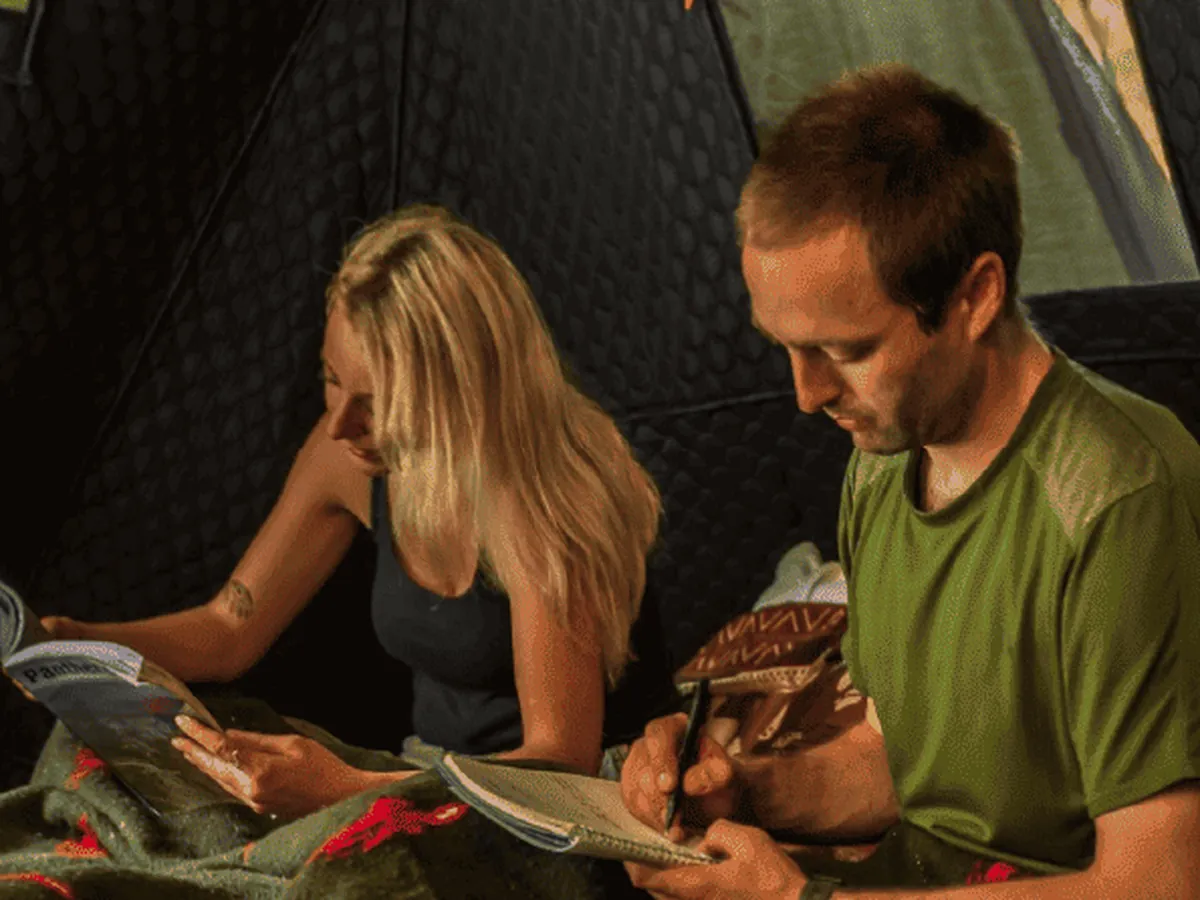
- Blackout interior lets you sleep past sunrise
- Insulation also dampens wind, rain and campsite noise
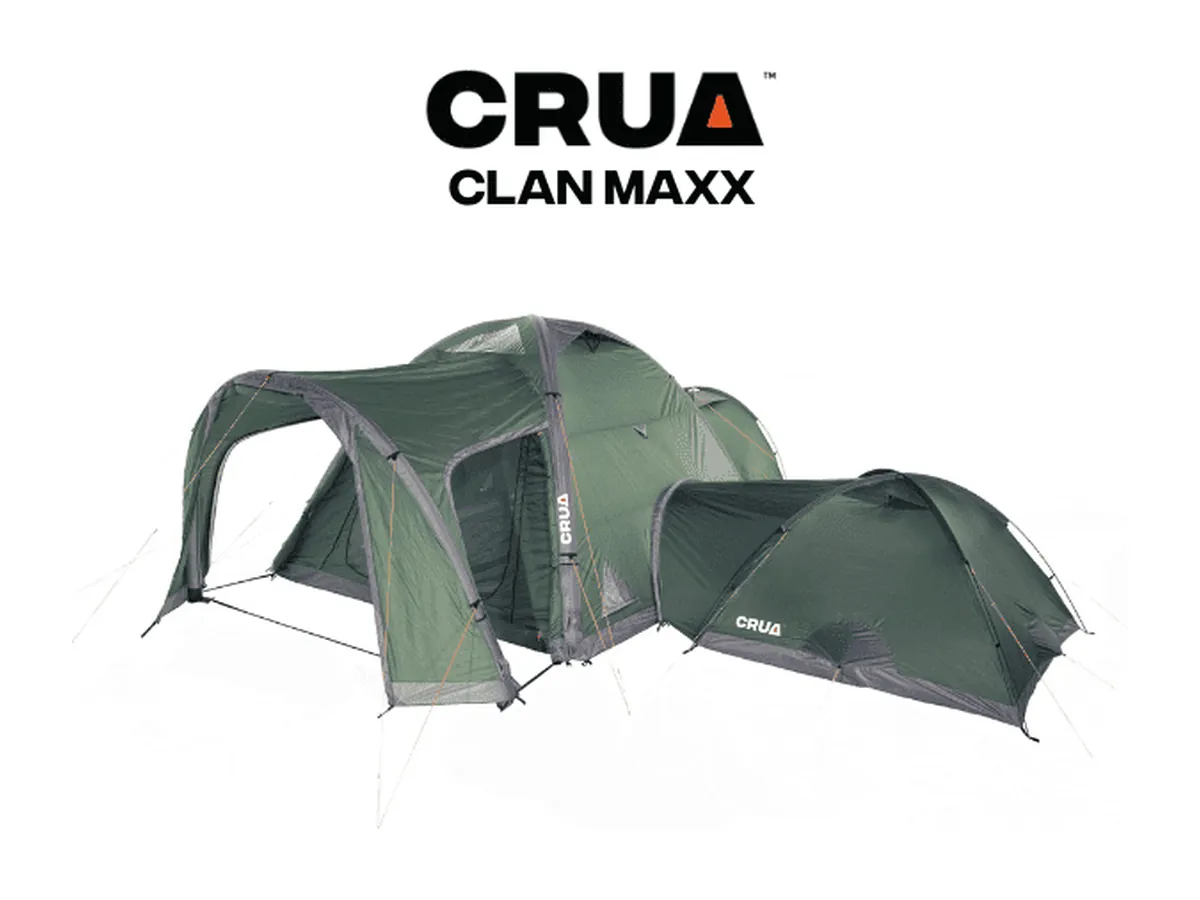
- Modular pieces zip together into a larger family setup
- Inflatable airframe options pitch quickly without poles
Cons
- Premium price compared with standard camping tents
- Heavier and bulkier than backpacking tents
- The insulated inner (Culla) is often sold separately
- More than you need for warm-weather summer trips
The Crua Lineup at a Glance
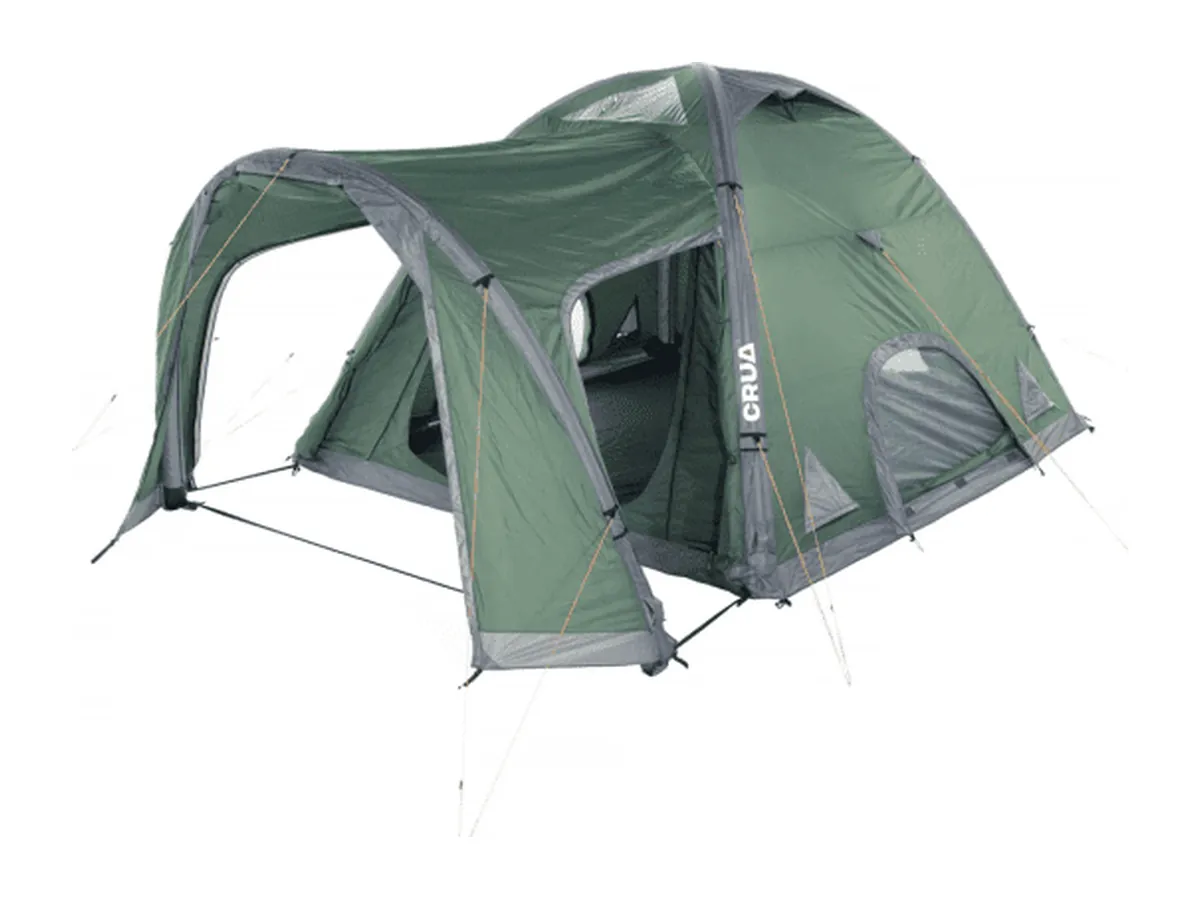
Crua Core (Inflatable Hub)
An airframe dome that acts as the base camp of the system. It inflates instead of using poles and is designed to connect to Duo sleeping pods when you need more room.
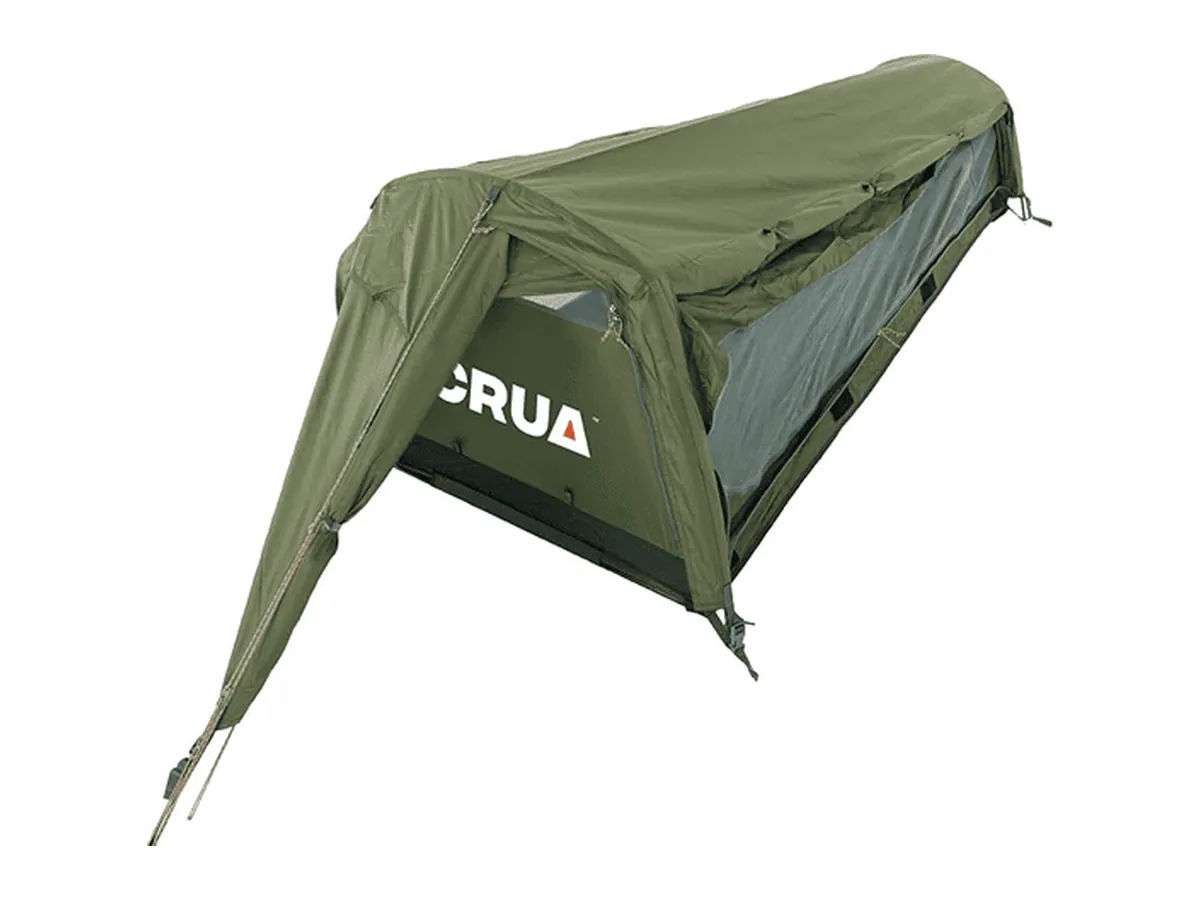
Crua Hybrid Tent & Hammock
Use it on the ground like a regular one-person tent, or string it between two trees and sleep suspended. A good fit for solo campers who want flexibility on where they sleep.
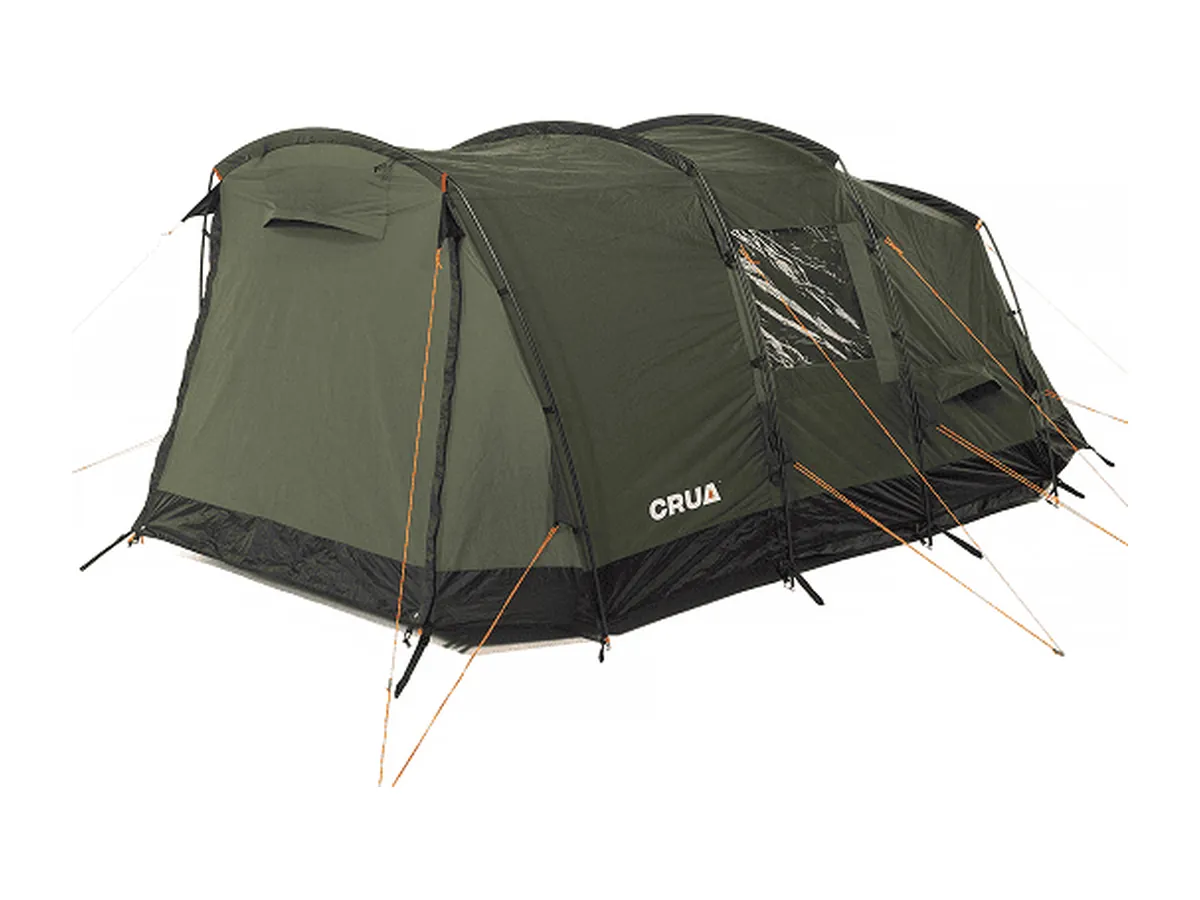
Crua Clan Duo Tent
A two-person sleeping unit that zips onto the Core hub, turning one tent into a camp with a private bedroom.
How the Insulation Works
The key piece is the Culla, an insulated inner tent that sits inside the outer shell. Crua describes its CruaBreathe material as a thermal barrier: it slows warmth escaping on cold nights and slows heat getting in on hot afternoons.
The same thick layer is what makes the interior dark and noticeably quieter. In practice, that combination is what sets Crua apart more than any single spec. You can leave the Culla at home in summer and bring it back when nights get cold.
What to Check Before You Buy
- What's in the box. Some kits are the outer tent only; the insulated Culla may be a separate purchase.
- Packed size and weight. Make sure it fits your car and how far you'll carry it from parking.
- Compatibility. If you plan to build a modular setup, confirm which pieces connect to each other.
- Seller and warranty. Check who sells it and the warranty terms before you order.
Living With an Insulated Tent
The airframe models go up by inflating the beams with a pump, which is quick once you've done it a few times. You still need to peg the corners and run the guy lines, especially in wind, so set aside the same time you would for any family tent on the first trip.
An insulated inner holds moisture as well as warmth. Open the vents at night, and if the tent is packed away damp, take it out and dry it fully at home within a day or two to avoid mildew. The extra bulk also means planning car space: an insulated system takes up noticeably more room than a standard dome tent.
Insulation slows heat loss but doesn't create heat. On cold trips you still need a sleeping bag and pad rated for the night-time low; the tent simply helps them work better.
Who Should Skip It
If you camp a few summer weekends a year, at sites where nights stay mild, an insulated tent is a lot of money and bulk for a problem you rarely have. A good dome tent, a sleeping pad with decent insulation and an eye mask will cover most of what Crua offers on those trips.
The same goes for anyone short on storage. An insulated system with separate inners takes up more space in a garage or apartment than a single tent, and it needs to be dried properly after wet trips. If that sounds like a chore, a simpler tent will get used more often.
Choosing Where to Pitch
- Shade matters in summer. An insulated tent stays cooler longer, but morning sun on the fabric still adds up by midday.
- Wind matters in winter. Point the narrow end or the door away from the prevailing wind and use every guy line.
- Flat, high ground. Avoid dips where cold air and rainwater collect overnight.
- Room for the system. Modular setups need a larger, level pitch than a single tent, so check pitch sizes when you book.
Final Verdict
If cold, bright or noisy nights are what ruin your camping trips, Crua solves a real problem that most tent brands ignore. It costs more and weighs more than a standard tent, but for cold-weather and family campers that trade is easy to justify.
FAQ
Can a Crua tent be used year-round?
That's the main idea. The insulated inner is meant for cold nights, and it can be left out in summer to save weight.
Do I need the Culla?
Not for mild weather. But most of what makes Crua different (warmth, darkness and quiet) comes from that insulated inner, so it's the piece to prioritize if you camp when it's cold.
Is Crua good for backpacking?
Generally no. It's designed for comfort-focused car camping and base camps rather than long distances on foot.
Is an insulated tent too hot in summer?
It can be in direct midday sun. In warm weather you can leave the insulated inner at home or open it up, and pitch in shade where you can.
Does an insulated tent stop condensation?
It can reduce it, but no tent eliminates condensation completely. Ventilation is still the most important factor, so keep the vents open, especially with several people inside.
How should I store it between trips?
Clean and fully dry, loosely packed and somewhere cool. Long-term storage while damp is the main cause of mildew and odour in any tent.