How to Camp in the Rain: Pitching, Staying Dry and Packing Up Wet
Rain doesn't have to ruin a camping trip. With a few simple habits, a wet weekend can be cosy instead of miserable, and you'll come home with dry sleeping bags and a tent that still smells fine. Most of it comes down to where you pitch, how you set up and what you do before the first drop falls.
Choose Your Pitch Carefully
Look for ground that is flat but slightly higher than its surroundings. Avoid dips, dry stream beds and the bottom of slopes, where water collects overnight. Grass drains better than packed dirt, which can turn into a puddle.
Check overhead as well. Trees offer some shelter from wind, but avoid pitching under dead branches, and remember that big drops keep falling from leaves long after the rain stops.
Set Up for Rain
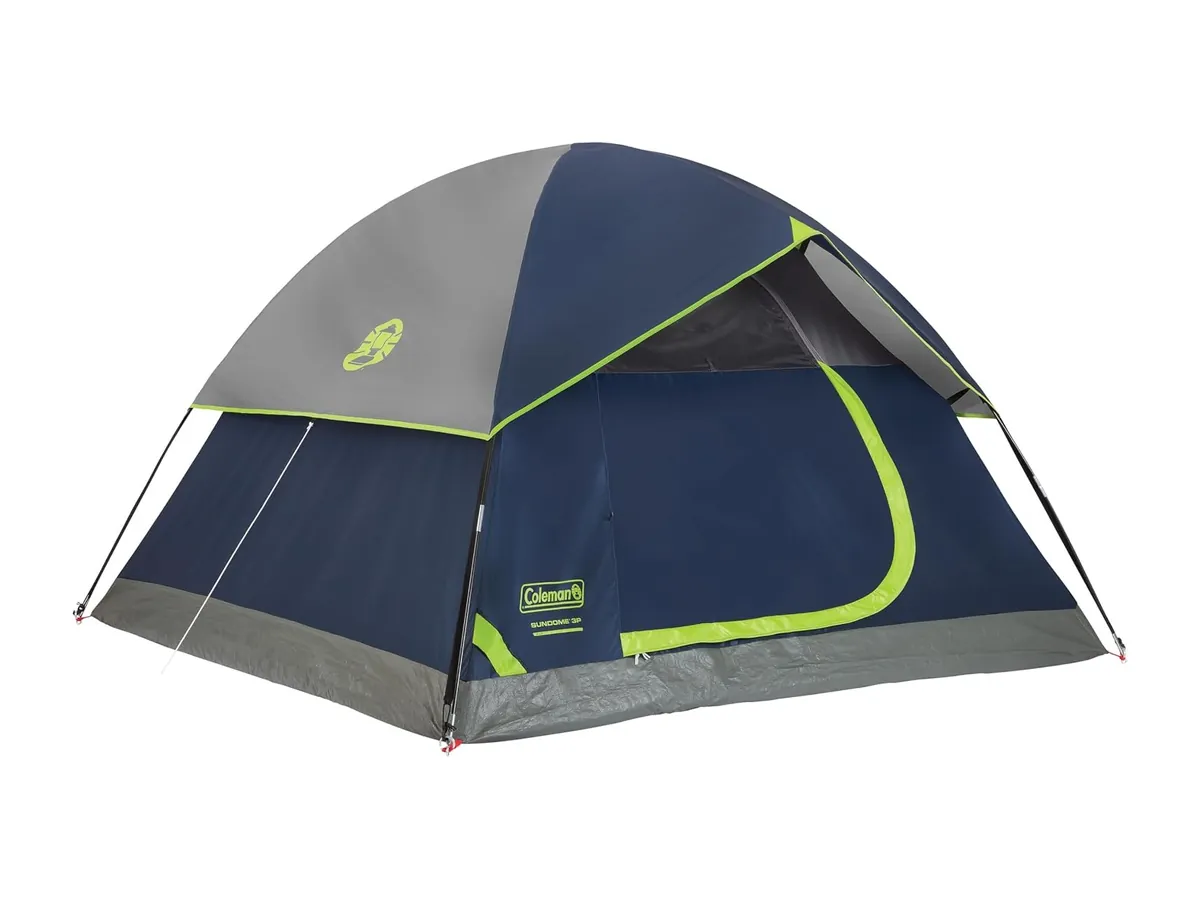
- Pitch the fly tight. A taut rainfly sheds water and doesn't touch the inner tent, which is where most leaks start.
- Use every guy line. They keep the fly away from the inner walls and help the tent stand up to gusts.
- Tuck the ground sheet in. A footprint should be slightly smaller than the tent floor; if it sticks out, it catches rain and channels it underneath.
- Face the door away from the wind so rain doesn't blow in every time you open it.
Put Up a Tarp
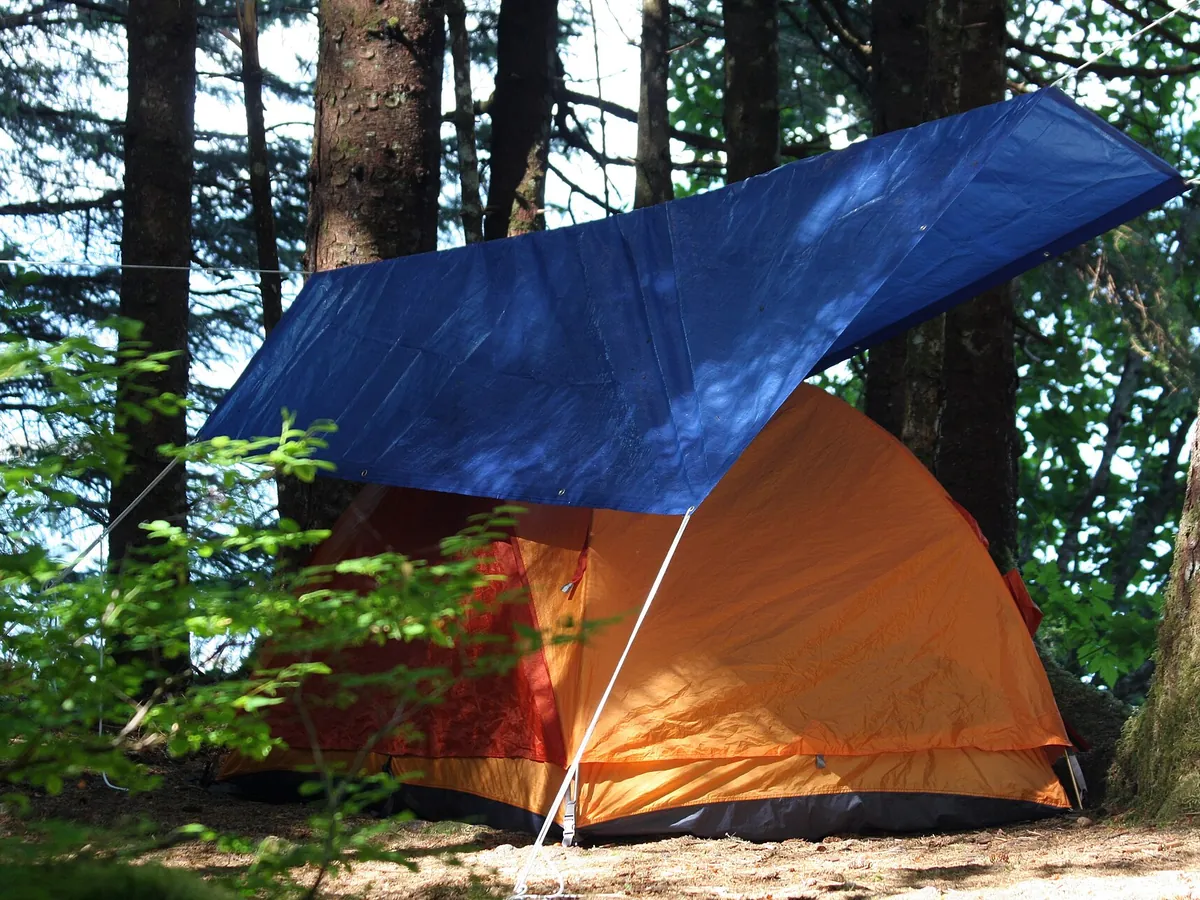
A simple tarp strung between trees or poles is the most useful extra you can bring. It gives you a dry place to cook, sit and take off wet layers before getting into the tent. Angle it so water runs off one side, away from your tent and cooking area.
If you can, pitch the tarp first in heavy rain, then set up the tent underneath it. The inside of the tent stays dry while you work.
Pitch your tent and tarp in the yard before the trip. Learning which pole goes where is much easier on a dry afternoon than in the rain at dusk.
Keep Your Gear Dry
- Pack in layers of protection. Sleeping bags and spare clothes go in waterproof bags or bin liners inside your main bag.
- Keep wet things out of the sleeping area. Leave rain jackets and boots under the tarp or in the vestibule.
- Have one set of dry clothes you only wear inside the tent at night.
- Ventilate. Open the vents even when it rains; condensation from breath can soak a tent from the inside.
Cooking and Staying Warm
Cook under the tarp, never inside the tent, and keep the stove on a stable, flat surface. Warm, simple meals such as soup, pasta or chili and hot drinks make a big difference to morale on a wet evening.
Wet clothes pull heat from your body quickly, even in summer. Change into dry layers as soon as you stop moving, and put on a warm hat before you start to feel cold.
Packing Up a Wet Tent
If it's still raining when you leave, shake off as much water as you can, pack the tent loosely and keep it separate from dry gear. If the fly and inner can be packed separately, do that, so the inner stays drier.
The most important step happens at home. Set the tent up or hang it somewhere airy within a day or two and let it dry completely before storing it. A tent stored damp can develop mildew and a lasting smell in less than a week.
FAQ
Can I touch the inside of the tent when it's raining?
Try not to. Pressing on wet fabric can draw water through it. A tight fly and good guy lines keep the walls away from you.
Is it safe to camp in a thunderstorm?
Avoid it where possible. If lightning is close, leave open ground and high points and wait in a car or solid building if one is available.
How do I dry wet boots at camp?
Remove the insoles, stuff the boots with newspaper or a dry cloth and keep them under cover. Avoid putting them close to a fire, which can damage them.