Car Camping Checklist for Beginners: What to Pack for Your First Trip
Car camping is the easiest way to start sleeping outdoors. You drive to the site, park next to your pitch and can bring more comfort than any backpacker. The catch is remembering everything, because the one item you leave behind is usually the one you need at 10 p.m. This checklist covers what most first-time campers actually use, grouped so you can pack by category.
Shelter
- Tent with rainfly. Pick one rated for one more person than will sleep in it, so bags and gear fit inside.
- Footprint or ground sheet. Protects the floor and keeps water from running underneath.
- Stakes and a mallet. Bring a few spare stakes; campsite ground is often harder than you expect.
- Guy lines. Use them even when the forecast is calm. Wind tends to pick up at night.
Sleep System
- Sleeping pad or air mattress. The ground pulls heat from your body, so insulation underneath matters as much as your bag.
- Sleeping bag rated for the night-time low. Check the forecast for the campsite, not the nearest city.
- Pillow. A real pillow from home is one of car camping's best luxuries.
- Extra blanket. Easy to throw in the car and useful when the night turns colder than forecast.
Spend one night on your pad and bag in the living room or backyard before the trip. If you're uncomfortable at home, you'll be more uncomfortable at the campsite.
Camp Kitchen
- Stove and fuel. A two-burner camp stove and enough fuel for every meal, plus a lighter and matches.
- Cooler and ice. Pre-chill it the night before and keep it in the shade.
- Pot, pan and utensils. One pot, one pan, a spatula, a sharp knife and a cutting board cover most meals.
- Plates, cups and cutlery for everyone, plus a washing bowl, biodegradable soap and a towel.
- Water. Bring more than you think, or check that the site has drinking water.
Clothing and Personal Items
- Layers. Evenings at camp are often much colder than the afternoon. Pack a warm layer and a waterproof jacket.
- Dry socks and a hat for sleeping.
- Headlamp for each person, with spare batteries.
- Sunscreen, insect repellent and a basic first-aid kit.
Campsite Comfort
- Camp chairs and, if the site has no picnic table, a folding table.
- Lantern for the table and the tent.
- Trash bags; many sites expect you to take your rubbish home.
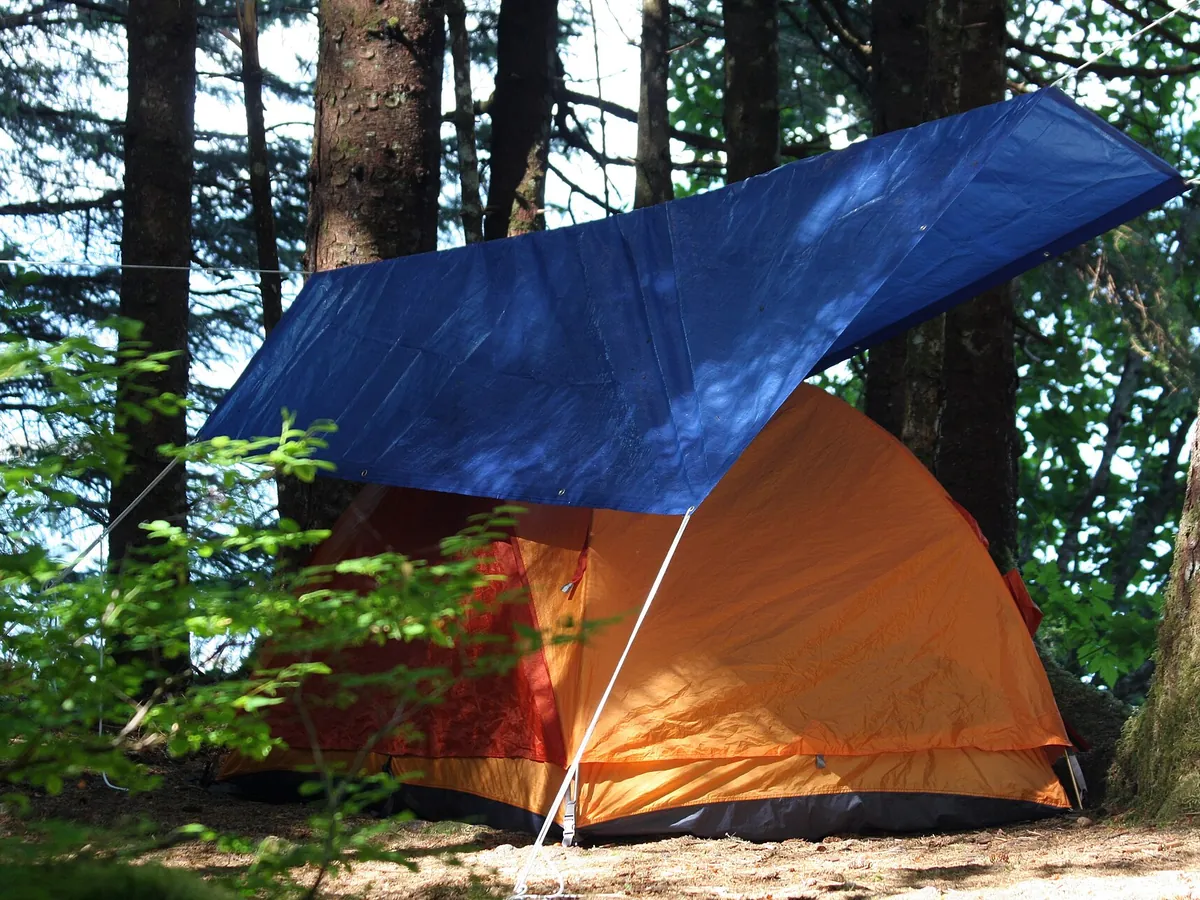
- Tarp and cord to rig shade or rain cover over the table.
Tips for Your First Night
Arrive with at least two hours of daylight left. Pitching a tent and cooking dinner are far easier before dark, and you'll be able to choose the flattest, highest spot on your pitch.
Set up the tent first, then the sleeping area, then the kitchen. Once the beds are ready, the hardest part is done and the rest of the evening can be relaxed. Before going to sleep, put food back in the car or a closed container, and keep shoes and a headlamp inside the tent door.
Choosing Your First Tent
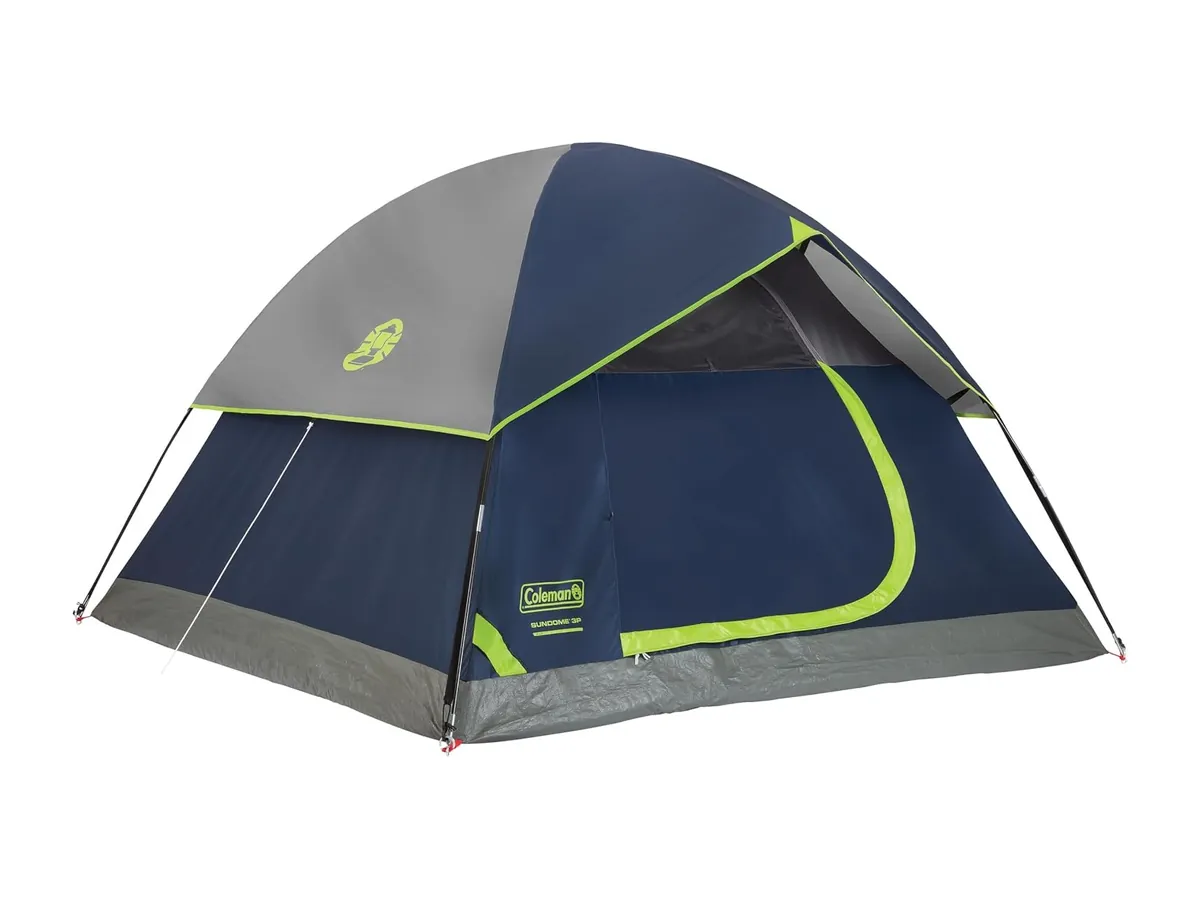
For beginners, a simple dome tent with a full rainfly is usually the best start. It's light enough to carry from the car, easy to pitch and affordable enough that it doesn't matter if you later decide you want something bigger.
If you mostly camp in cold weather, or bright mornings and campsite noise are what keep you awake, an insulated tent solves a different problem, at a higher price and with more bulk to pack.
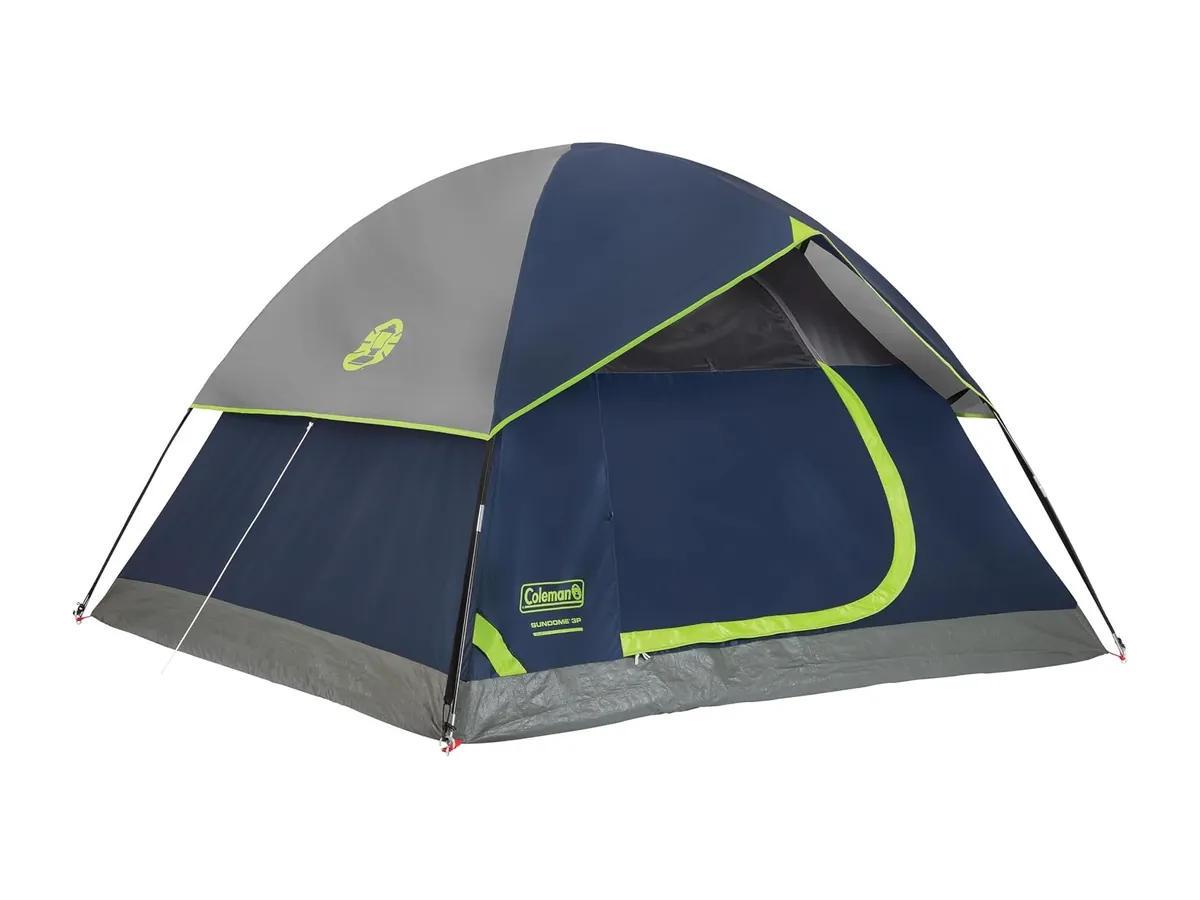
Coleman Sundome 3-Person Tent Review: Still the Easy Pick for Car Camping?
A simple two-pole dome tent that fits a queen air mattress and pitches in about 10 minutes.
Read our guide →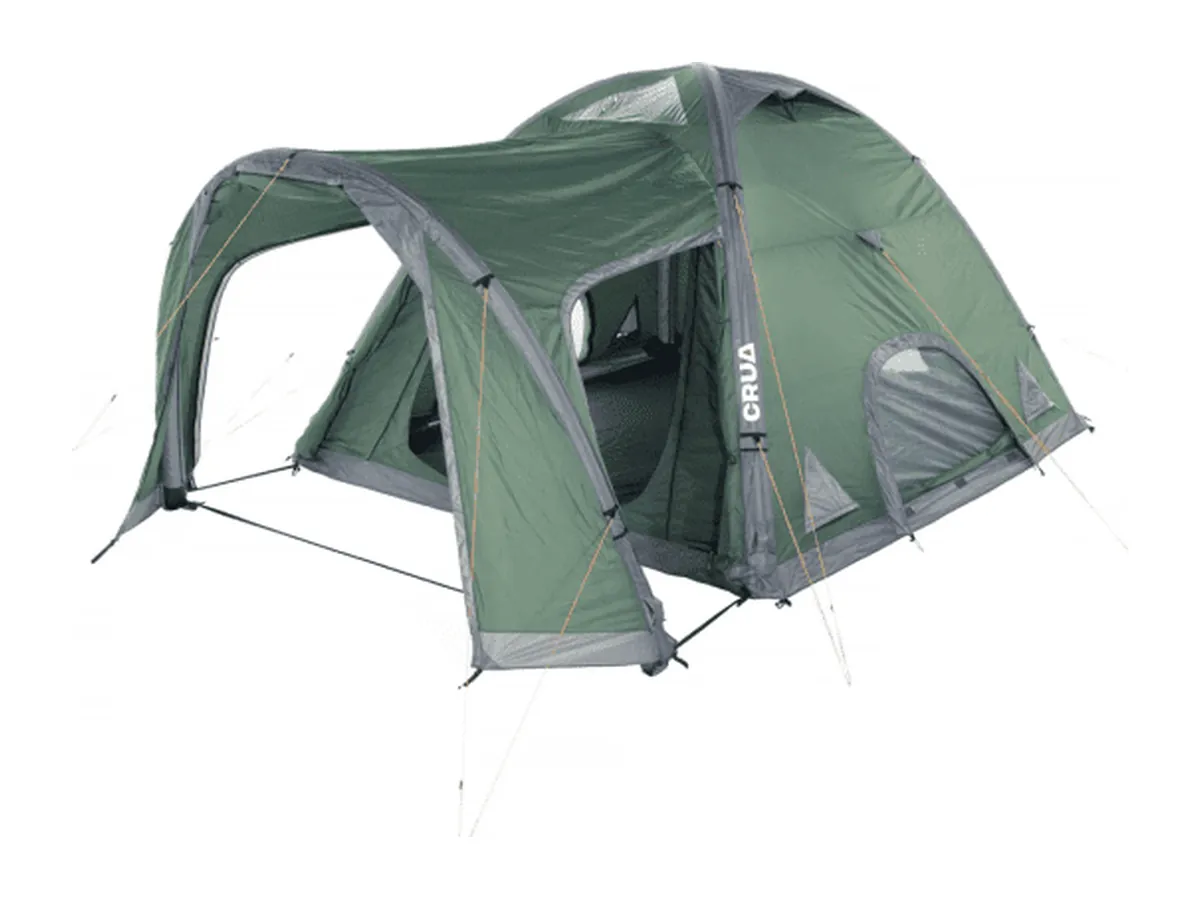
Crua Tent: Are Insulated Tents Worth It?
Insulated inner tents that hold warmth in, block early light and dampen noise.
Read our guide →FAQ
Do I need to book a campsite in advance?
For popular sites and summer weekends, yes. Many public and private campgrounds open bookings months ahead.
What's the most commonly forgotten item?
Headlamps, lighters and tent stakes are among the most common. Packing by category, as in this list, helps.
How cold is too cold for a beginner?
If night-time lows are near freezing, start with milder weather until you know how your sleep setup performs.