Crua and Nemo both make well-regarded tents, but they're built around very different priorities. Nemo is known for lightweight, cleverly designed shelters that are easy to carry. Crua builds insulated tents meant to give you an indoor-quality night's sleep. If you're torn between them, the real question isn't which brand is better, it's how you camp.
The Short Answer
If you mostly camp near your car and care about sleeping well, especially when nights get cold, Crua is the stronger choice. Its insulated inner tent changes the experience more than any other single feature in this comparison.
If you carry your tent on your back for miles, Nemo makes more sense. Insulation adds weight and bulk, and on the trail that matters more than comfort.
Side by Side
| Crua Tent | Nemo | |
|---|---|---|
| Main focus | Comfort-first, insulated camping | Lightweight, versatile shelters |
| Best for | Car camping, cold nights, families | Backpacking and three-season trips |
| Insulation | Insulated inner tent (Culla) available | Conventional tent fabric |
| Morning light | Dark interior with the Culla | Lets light in like most tents |
| Outside noise | Insulation dampens wind and rain | Typical for nylon tents |
| Weight & pack size | Heavier and bulkier | Lighter, packs smaller |
| Modularity | Pieces connect into a larger camp | Mostly standalone tents |
| Price | Premium | Mid-range to premium |
Where Crua Wins
Sleep quality. The Culla insulated inner tent is designed to hold warmth in on cold nights and slow down heat on warm days, and the same thick layer makes the interior darker and quieter. For anyone who wakes up at 5 a.m. because the tent is glowing, or shivers through autumn trips, that's a real difference.
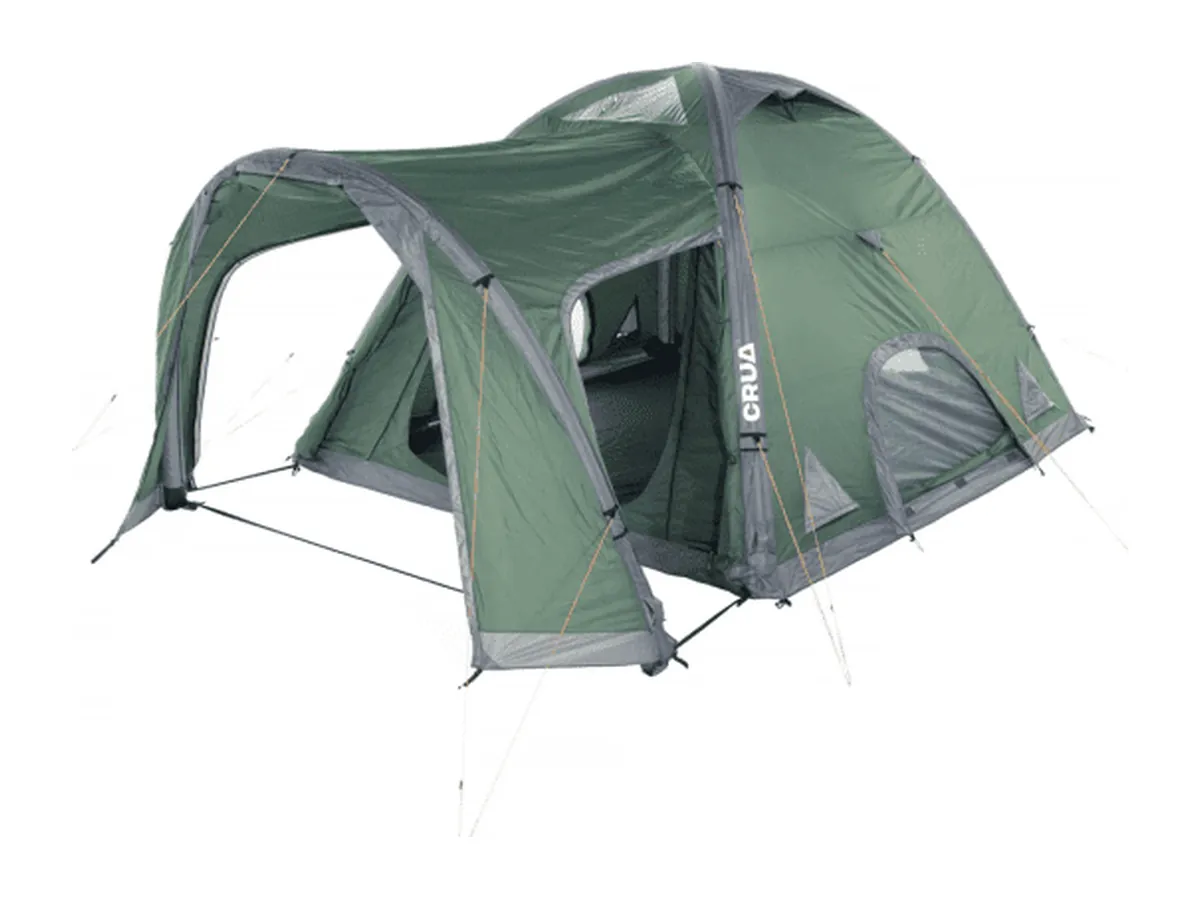
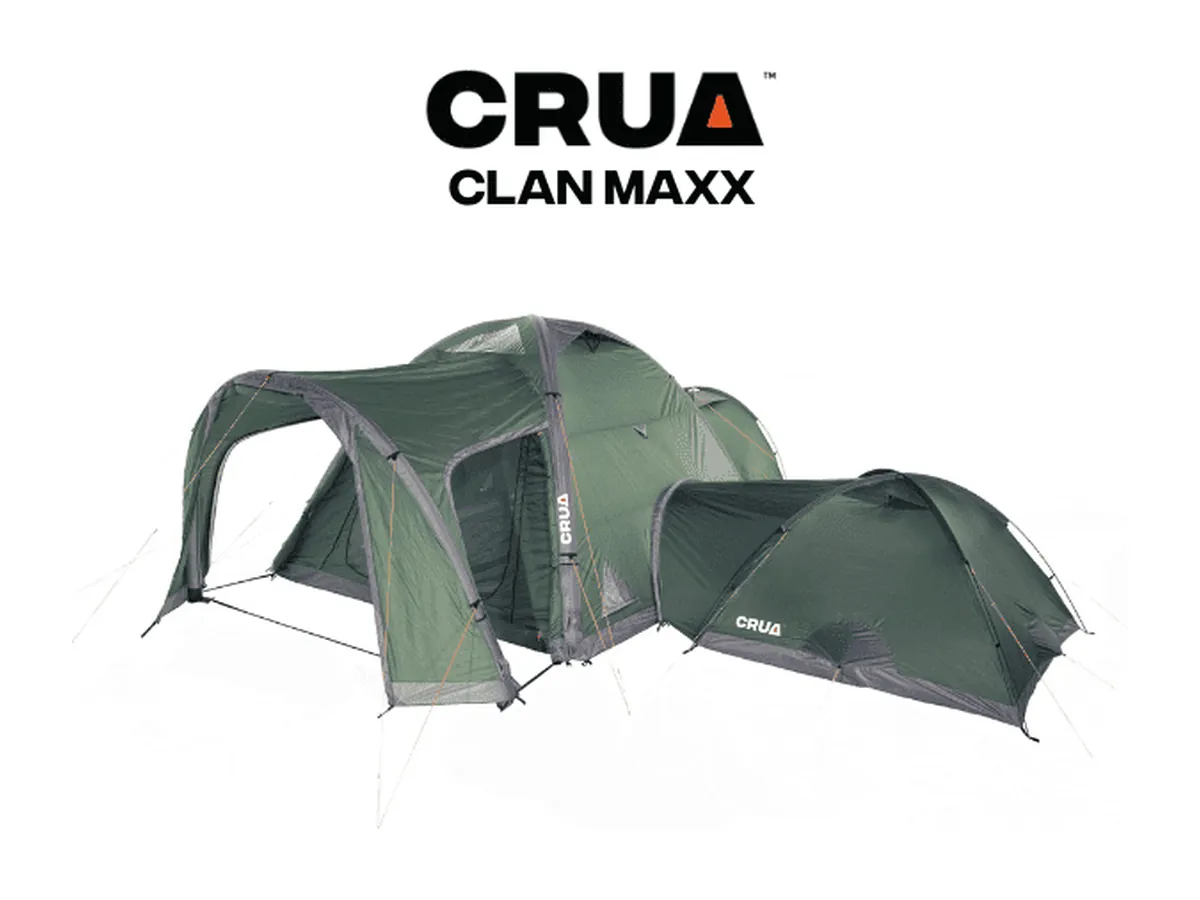
Crua is also built as a system. A hub tent, sleeping pods and insulated inners can be combined, so a family can start with one piece and grow into a camp with separate sleeping areas.
Where Nemo Wins
Portability. Nemo's strength is shelters that are light, quick to pitch and easy to carry, which is exactly what backpackers need. If your trips involve long approaches or multi-day hikes, a Crua setup is simply more tent than you want on your back.
Nemo also covers a wider range of trip types, from minimalist trail shelters to roomier family tents, so it's a flexible choice if you camp in mild conditions.
Which Should You Buy?
- Choose Crua if you car-camp, camp in spring, autumn or winter, have light sleepers or kids in the family, or want a setup that grows over time.
- Choose Nemo if you backpack, count every gram, or camp mostly in warm, mild weather.
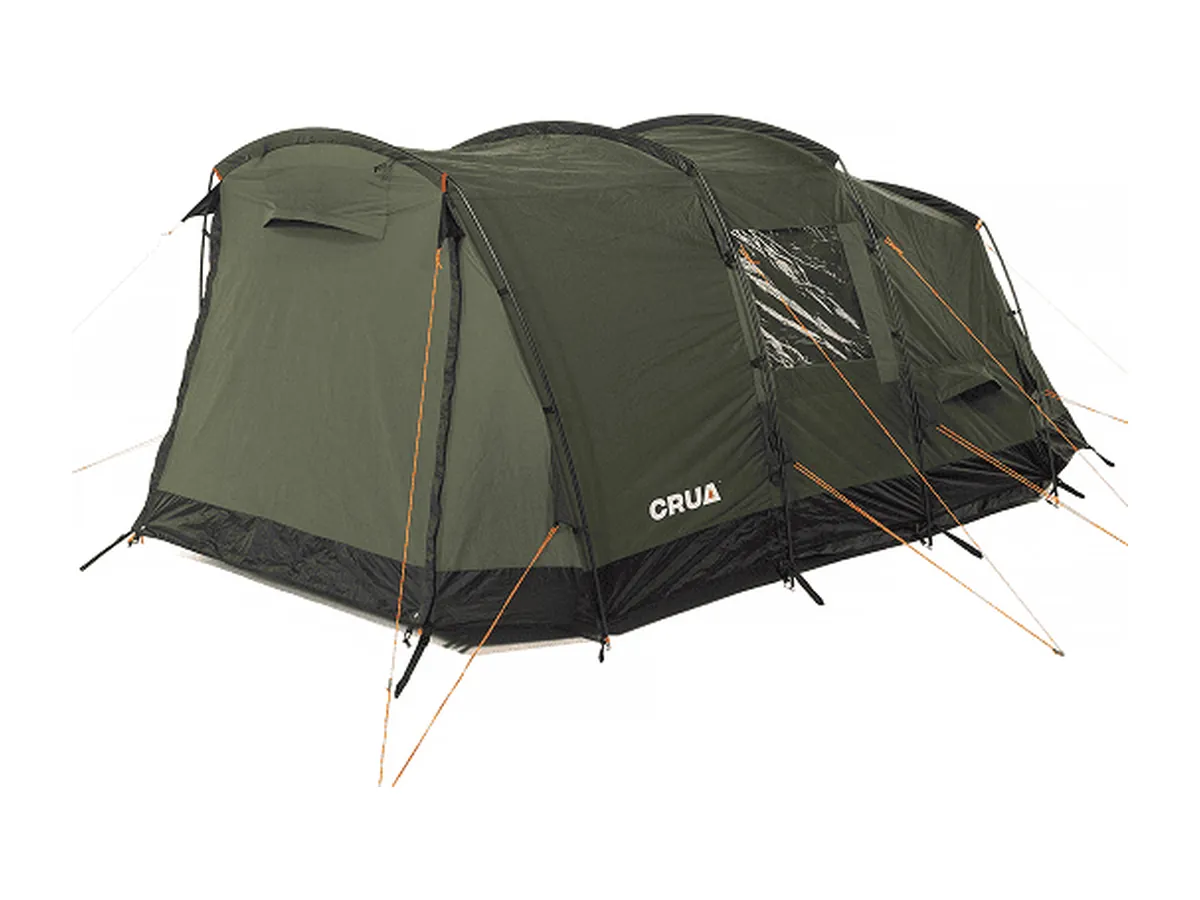
- Already own a tent? Crua's Culla inner is designed to fit inside many conventional dome and tunnel shelters, so check compatibility before replacing your whole setup.
What Each Choice Costs Over Time
Price tags only tell part of the story. A lightweight tent is cheaper up front, but many campers then spend on a warmer sleeping bag, an insulated pad and a second tent for a growing family. An insulated, modular system costs more at the start and can replace some of those extras.
The reverse is true for hikers: buying a heavy comfort tent for trips where you carry everything means paying for weight you'll resent on every mile. Think about the next three or four trips you actually plan, not the one you might take someday.
Questions to Ask Before You Choose
- How far will you carry it? More than a short walk from the car points toward a lighter tent.
- When do you camp? Spring, autumn and winter trips favour insulation; summer trips rarely need it.
- Who sleeps in it? Light sleepers and young children benefit most from a darker, quieter tent.
- Where will you store it? Insulated systems take more space in the car and at home.
Comfort Beyond the Tent
Whichever brand you choose, the tent is only part of how warm and rested you feel. Most of your warmth comes from what is underneath and around you: a sleeping pad with enough insulation for the ground temperature and a sleeping bag rated for the night-time low.
That's why the choice is closer than it first looks for mild-weather campers. A light tent with a warm pad and bag can be very comfortable, while an insulated tent mainly pays off when nights are genuinely cold or when light and noise are what keep you awake.
Pitching and Packing
Lightweight tents are designed to pitch quickly with a pole frame and pack small enough to strap to a backpack. Crua's airframe models trade that compactness for size and comfort: they inflate rather than using poles, but the insulated parts add bulk you'll notice when packing the car.
Both need the same basic care. Dry them fully before storing, keep the zips clean and replace stakes that bend. The difference is how much space and weight you're willing to manage between the car and the campsite.
Final Verdict
For comfort-focused campers, Crua offers something Nemo and most other brands don't: a tent that actively helps you sleep. Nemo remains the better pick for anyone who needs to travel light.
FAQ
Is Crua warmer than Nemo?
With the insulated Culla inner tent, yes. That's Crua's core feature. Without the Culla, both behave like conventional tents.
Which is better for backpacking?
Nemo. Crua tents are heavier and bulkier because of their insulation and are designed for car camping and base camps.
Which is better for families?
Crua's modular system, where sleeping pods attach to a central hub, is especially well suited to families who want separate sleeping spaces.
Can I add insulation to a tent I already own?
Crua says its Culla inner fits inside many conventional dome and tunnel tents. Compare the inner's dimensions with your tent's floor and height before buying.
Which is easier to set up?
Both are designed for straightforward pitching. Lighter pole tents are quicker to carry and stake out; inflatable airframe tents skip the pole assembly but are heavier to move around.