How to Choose a Tent for Cold-Weather Camping
A tent that's perfect in July can make an October night miserable. Cold-weather camping puts different demands on your shelter: it has to handle wind, manage condensation and, ideally, help you hold on to warmth. Here's what to look for, in the order it matters.
Understand Seasons Ratings
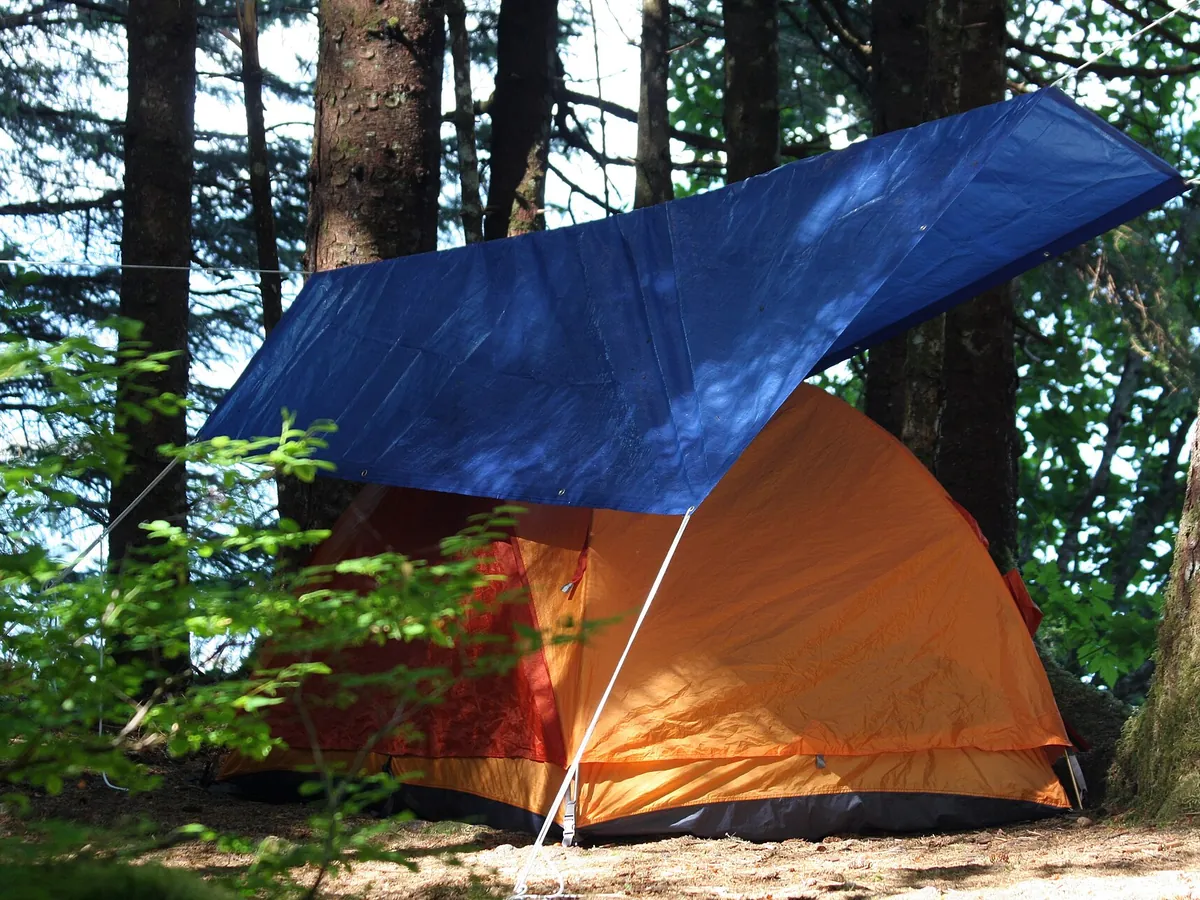
Most tents are sold as three-season or four-season. A three-season tent is built for spring, summer and autumn: lots of mesh for airflow and lighter materials. A four-season tent uses stronger poles, less mesh and a fly that reaches closer to the ground so it can stand up to wind and snow.
For late-autumn and early-spring trips where temperatures dip near freezing but snow isn't expected, a sturdy three-season tent with a full-coverage fly is often enough. If you expect snow load or exposed, windy sites, go four-season.
Warmth Comes From Layers, Not Just the Tent
Regular tent fabric is thin, so it does little to keep you warm on its own. Most of your warmth comes from your sleeping bag and, just as importantly, your sleeping pad, because the cold ground pulls heat from your body faster than the air does.
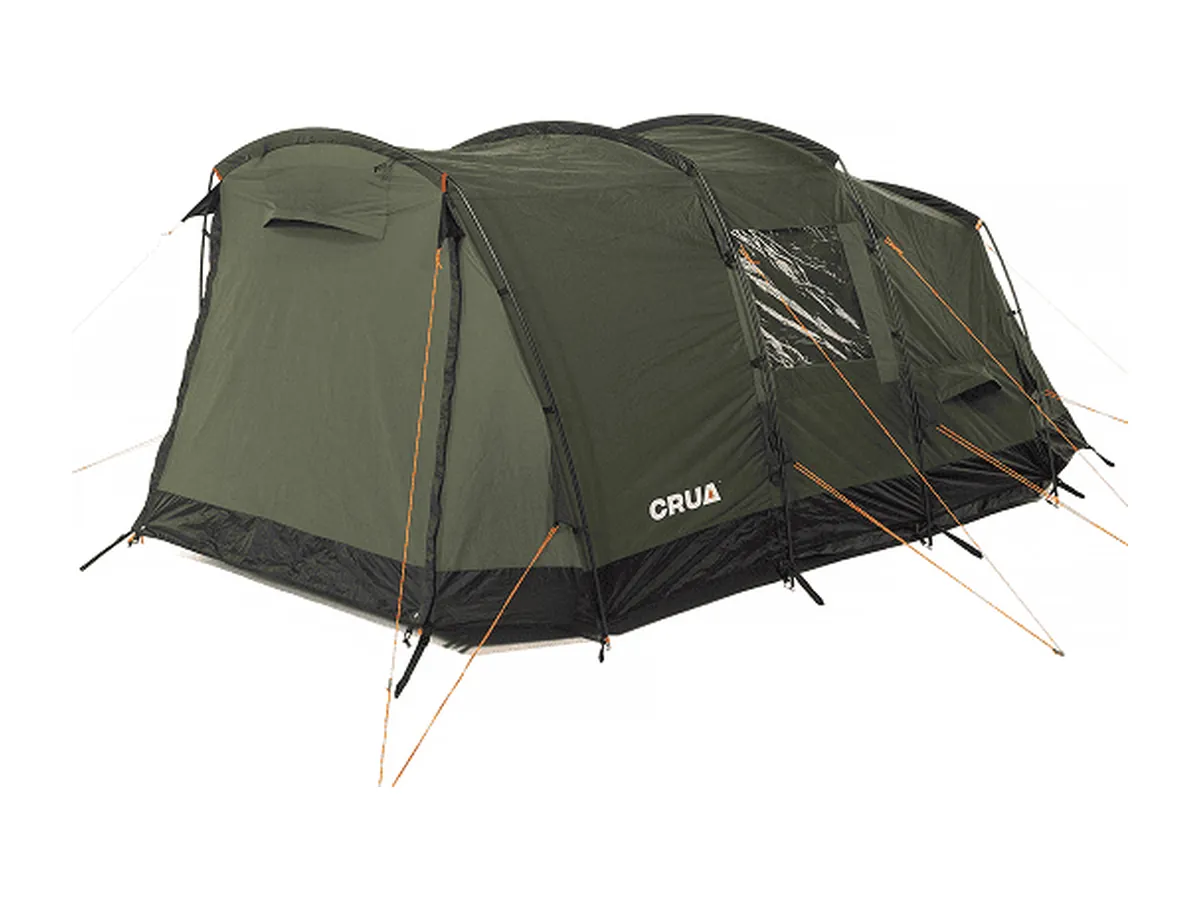
An insulated tent changes that equation. Insulated inner tents add a thick layer between you and the outside, which slows heat loss and also makes the interior darker and quieter. They cost more and weigh more, but for car campers who camp often in cold weather, they can make a bigger difference than upgrading the sleeping bag.
Check the R-value of your sleeping pad. For cold nights, look for an R-value of 4 or higher. A great bag on a thin pad will still leave you cold.
Plan for Condensation
When warm, moist breath meets cold tent walls, it turns into water. In cold weather this is one of the biggest comfort problems, and it's often mistaken for a leak.
Look for a tent with adjustable vents high up on the fly, a double-wall design (separate inner tent and rainfly) and enough space that your sleeping bag isn't pressed against the walls. Keeping a vent cracked open, even when it's cold, helps a lot.
Pick the Right Size
- Add one person. In cold weather you'll have bulkier bags, boots and layers inside. A three-person tent for two people is comfortable.
- Check the vestibules. A covered area outside the inner tent keeps wet gear and boots out of your sleeping space.
- Peak height matters more in winter. You'll spend more time inside when evenings are long, so being able to sit up and change clothes is worth it.
Think About Setup With Cold Hands
Fiddly clips and long pole sleeves are harder with gloves on and in fading light. Color-coded poles, simple hub designs and inflatable airframe tents can be pitched faster, which matters when the temperature is dropping.
Practice pitching your tent at home before the first cold trip, so you're not learning the steps in the dark.
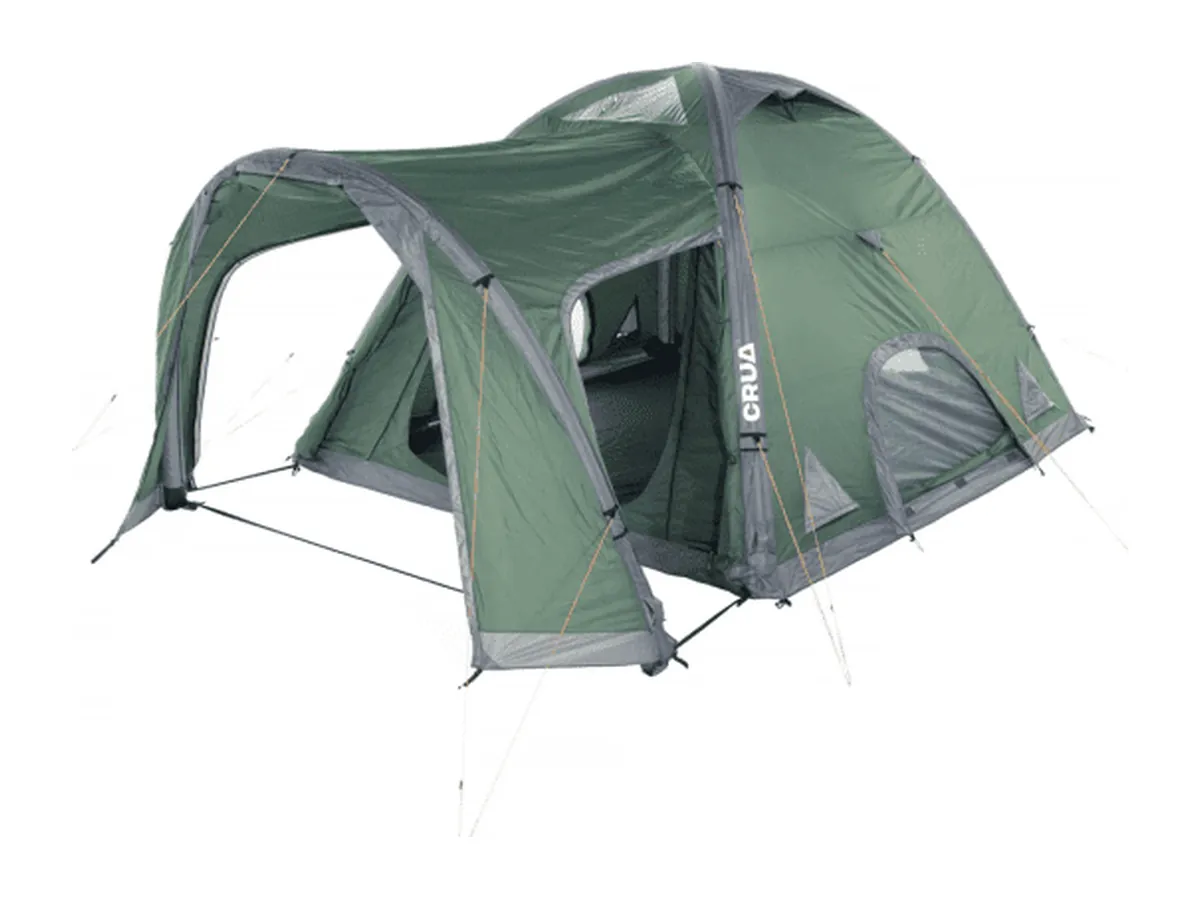
Crua Tent: Are Insulated Tents Worth It?
Insulated inner tents that keep warmth in, block early light and dampen noise. See who it suits and what to check before you buy.
Read our guide →FAQ
Can I use a three-season tent in winter?
In mild winter conditions without snow or strong wind, often yes, especially with a warm sleep system. For snow and exposed sites, a four-season tent is safer.
Why is my tent wet inside when it didn't rain?
That's condensation from your breath and body moisture. Ventilation and a double-wall design reduce it.
Are insulated tents worth it?
For people who camp often in cold weather and value comfort over weight, yes. For backpackers who need to carry everything, the extra weight usually isn't worth it.