Campfire Basics: How to Build, Enjoy and Put Out a Fire Safely
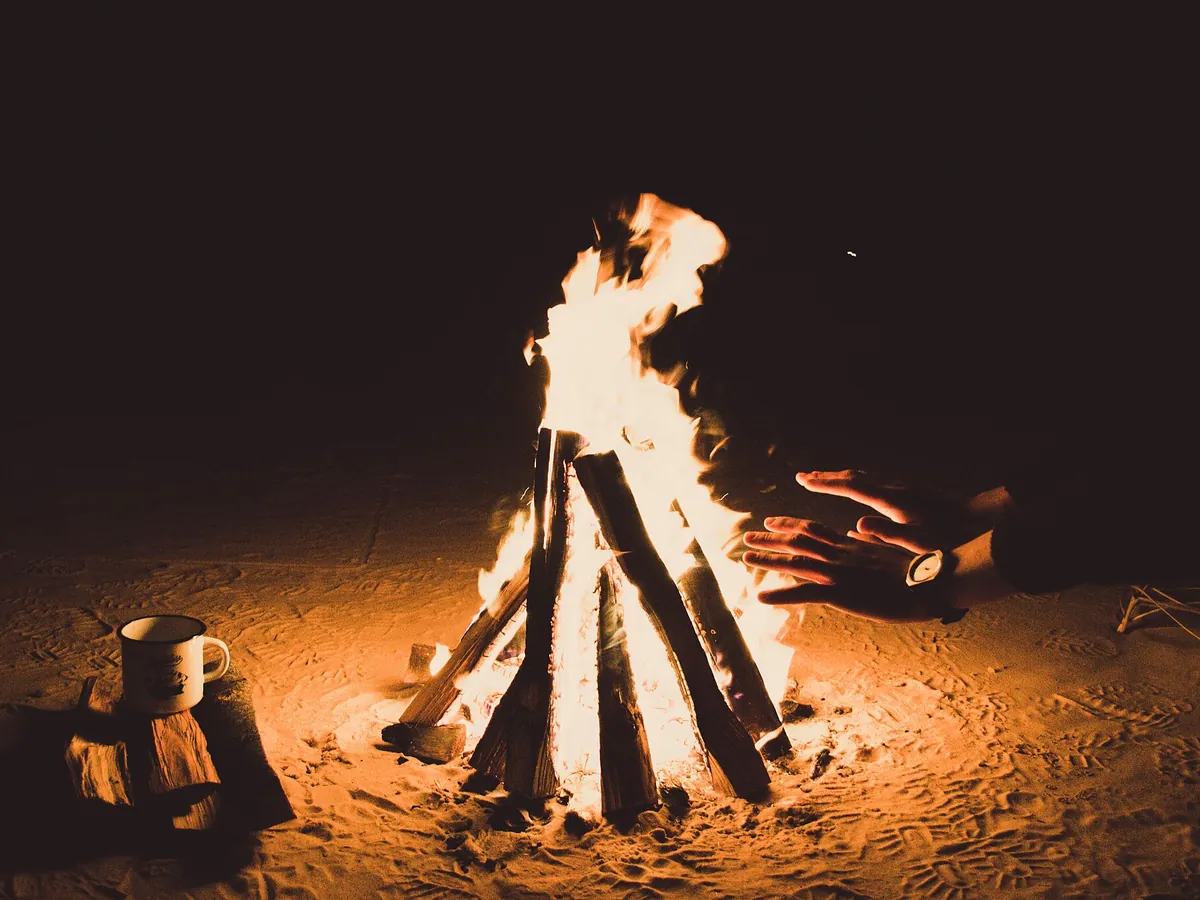
An evening around a campfire is one of the best parts of camping, and building one is easier than it looks. The skill is less about getting the fire going and more about choosing the right place, keeping it a manageable size and making sure it is completely out before you leave or go to sleep. Here's how to do all three.
Check the Rules First
Fire rules change with the season and the weather. Many parks and campgrounds restrict or ban open fires during dry periods, and some allow fires only in provided fire rings. Check the campground's rules and any local fire restrictions before you go, and again when you arrive.
Many areas also ask campers not to bring firewood from far away, because it can carry insects and diseases that harm local trees. Buy or gather wood locally where it's allowed.
Choose a Safe Spot
- Use an existing fire ring or fire pit whenever there is one.
- Keep clear space around it. No tents, chairs, dry grass or low branches close to the fire.
- Watch the wind. Avoid lighting a fire on windy days, when sparks can travel far.
- Have water ready. Keep a full bucket of water and a shovel next to the fire before you light it.
Build a Fire That Lights
- Gather three kinds of fuel. Tinder (dry grass, paper or fire starters), kindling (dry sticks about pencil to thumb thickness) and larger firewood.
- Start small. Place a loose pile of tinder in the center of the fire ring.
- Add kindling. Lean kindling over the tinder in a small cone, or stack it in a square around it, leaving gaps for air.
- Light and feed it gently. Light the tinder from the side the wind is coming from, then add more kindling as it catches before moving on to larger wood.
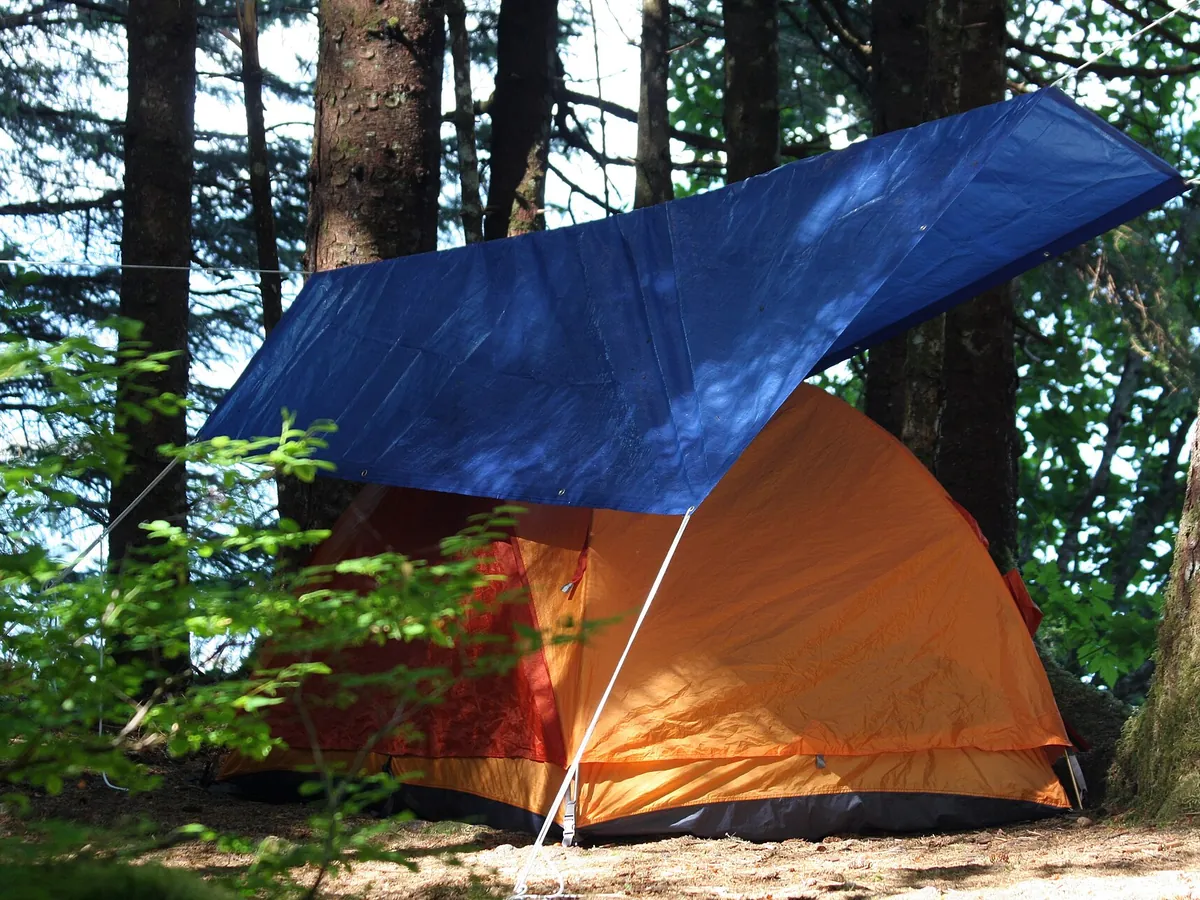
Wet or green wood smokes and struggles to burn. Keep tomorrow's firewood under a tarp or in the car overnight so it stays dry.
Keep It Under Control
A small fire is easier to manage, uses less wood and is more pleasant to sit around. Add wood a piece or two at a time rather than building a large pile, and never leave a fire unattended, even for a few minutes.
Keep children and pets at a safe distance, and don't throw trash, cans or glass into the fire. Aerosol cans and sealed containers can explode in the heat.
Put It Out Completely
Let the fire burn down to ash where possible. Then pour water over it slowly, stirring the ashes and embers with a stick or shovel, and pour again. Keep going until there is no hissing, no steam and no smoke.
Hold the back of your hand close to the ashes. If you feel any warmth, it isn't out yet. Embers can stay hot for many hours and reignite in wind, so never leave the site or go to bed until the fire is cold to the touch.
FAQ
Can I put a fire out with dirt?
Water is far more reliable. Dirt can hide hot embers that keep smouldering underneath. If water is scarce, mix dirt with the embers and stir until everything is cool.
What wood burns best?
Dry, seasoned hardwood burns longest and with the least smoke. Softwood lights easily and is good for getting the fire going.
Is it safe to cook over a campfire?
Yes, on a grate over coals rather than open flames, with long-handled tools and heat-resistant gloves.