Basic Hand Tools Every Home Needs: A Starter Kit That Covers Most Jobs
You don't need a garage full of equipment to handle most jobs around the house. Hanging pictures, tightening loose hinges, assembling furniture and fixing a dripping tap all come down to a small set of reliable hand tools. Here's what belongs in a basic kit, what each tool is for and what to look for when you buy, so you spend money once and the tools last for years.
The Core Kit
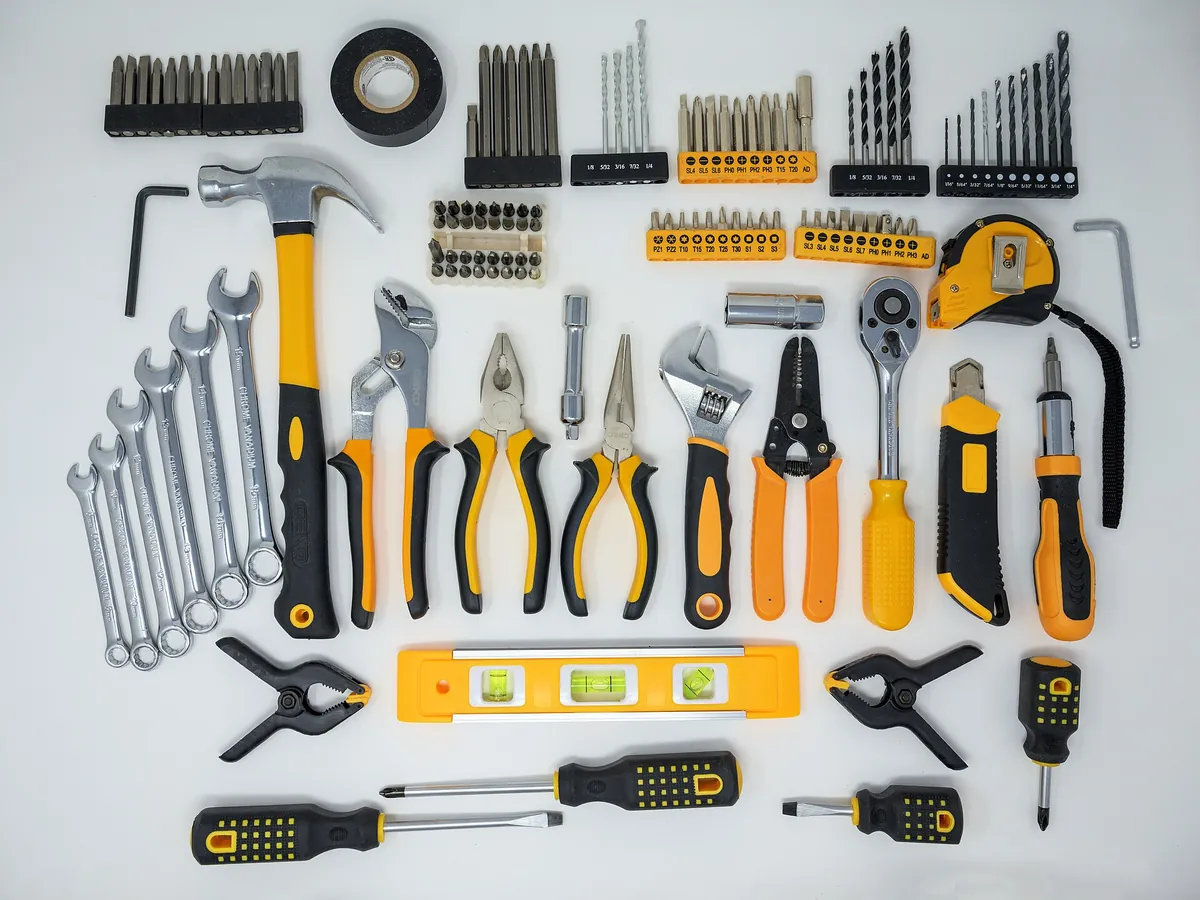
- Claw hammer. A 16 oz hammer with a comfortable grip handles nails, picture hooks and light demolition.
- Screwdrivers. At least two flat-head and two Phillips sizes, or a multi-bit driver with a good selection of bits.
- Tape measure. A 25 ft tape with a lockable blade covers rooms, furniture and DIY projects.
- Adjustable wrench. One 8 or 10 inch wrench fits most nuts and bolts around the house.
- Pliers. Slip-joint pliers for gripping and long-nose pliers for small parts and wire.
- Utility knife. With spare blades, for opening boxes, cutting carpet, cardboard and plasterboard.
- Level. A 24 inch spirit level for shelves, pictures and anything that needs to look straight.
- Hex keys. A metric and imperial set for furniture and fixtures.
Worth Adding Next
Once the basics are covered, a few extras make bigger jobs easier: a small handsaw for trimming wood, a set of clamps to hold work while glue dries, a stud finder for hanging heavy items safely, and a socket set for bikes, cars and machinery.
A cordless drill is the most useful power tool for most homes. It drills holes and drives screws far faster than doing it by hand, but it works best alongside, not instead of, a good set of screwdrivers.
A cheap set with dozens of pieces often includes tools you'll never use and a few that bend on the first job. A smaller set of solid, well-fitting tools is better value over time.
What to Look For When Buying
- Fit and feel. Handles should feel comfortable and secure in your hand; try them in a store if you can.
- Hardened tips. Screwdriver tips and bits that are hardened resist rounding off and damaging screws.
- Clear markings. Tape measures and wrenches should have markings that are easy to read and won't wear off quickly.
- Warranty. Many hand tools come with long or lifetime warranties, which is a good sign of quality.
Storing Your Tools
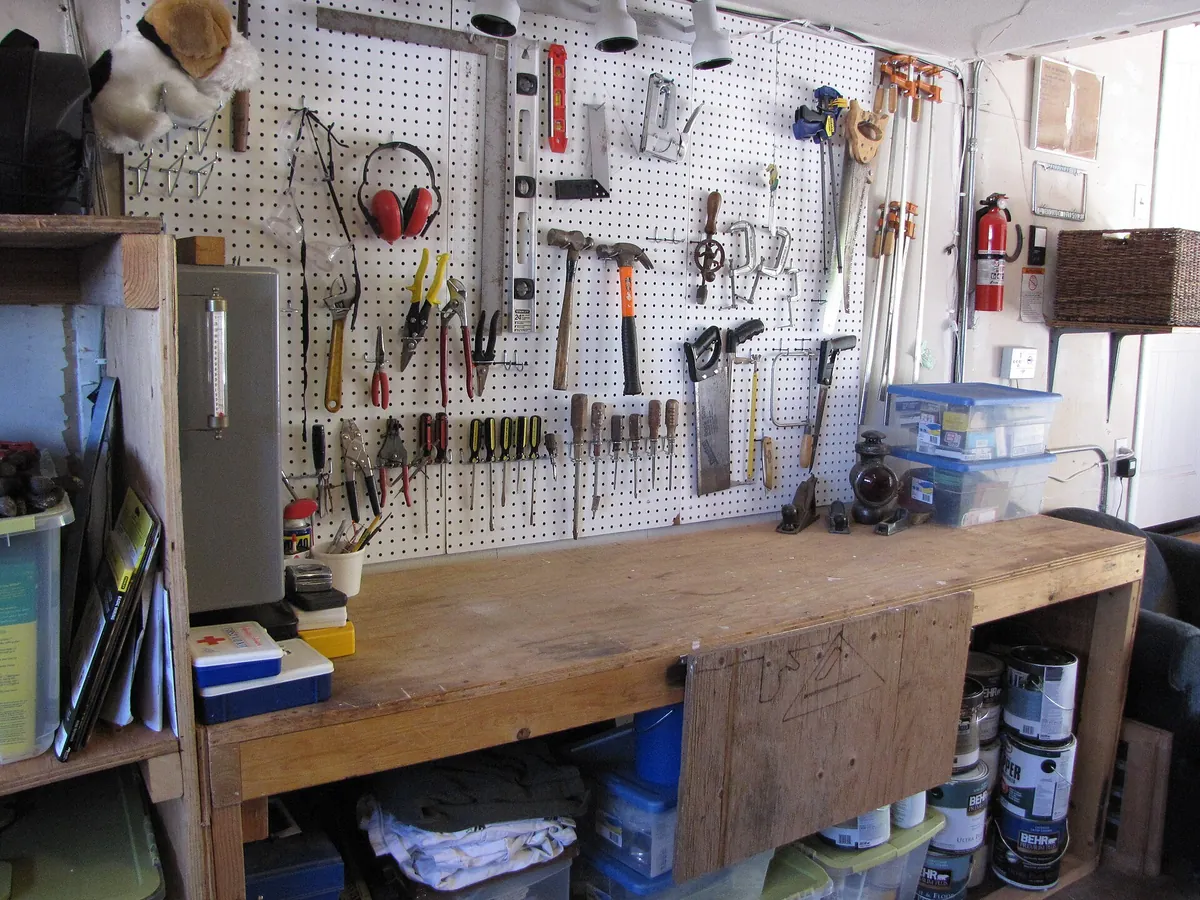
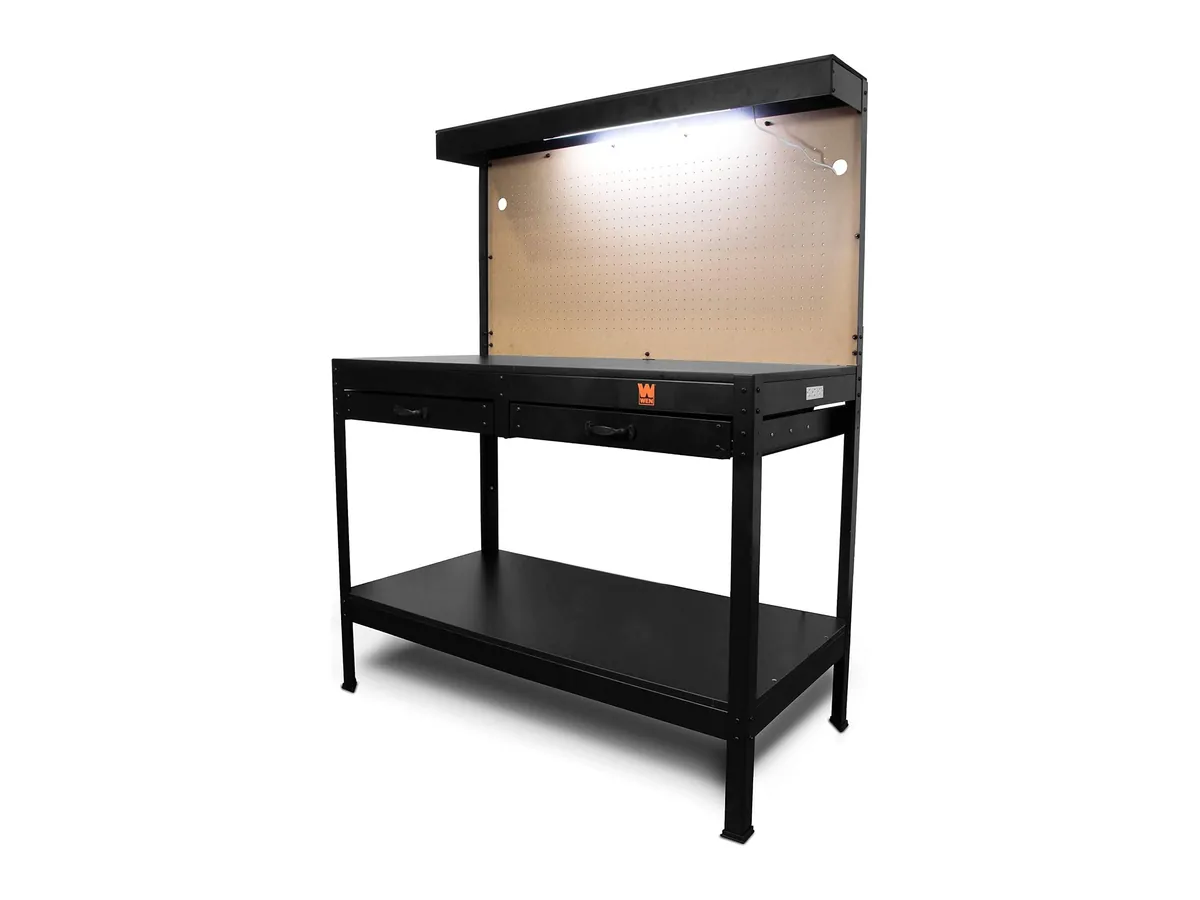
A simple toolbox or tool bag is enough for a starter kit and makes it easy to carry everything to the job. As your collection grows, a pegboard above a work surface keeps everyday tools visible and easy to put back.
Keep tools dry. Moisture causes rust, especially in garages and sheds. A few silica gel packs in the toolbox and a light wipe with oil on steel tools after damp jobs go a long way.
Use Them Safely
Use the right tool for the job: a screwdriver isn't a chisel, and pliers aren't a wrench. Wear safety glasses when hammering, cutting or drilling, and keep utility knife blades sharp, because dull blades slip more easily.
Before drilling or nailing into walls, check for hidden pipes and wiring, especially near outlets, switches and in line with them vertically and horizontally.
FAQ
Should I buy a tool set or individual tools?
A good mid-sized set is often cheaper than buying the same tools separately. Check the list of contents and skip sets padded with dozens of tiny bits you won't use.
Metric or imperial?
In the US you'll meet both, especially on furniture and cars. Hex keys and sockets in both sizes save frustration.
What is the first power tool to buy?
For most homes, a cordless drill-driver. It handles drilling and driving screws for furniture, shelves and repairs.